Discover Namibia: Best Time & Top Experiences

Nestled in Southern Africa, Namibia is a land of otherworldly landscapes, rich cultures, and epic wildlife encounters. From the towering red dunes of the Namib Desert to the wild watering...
Discover Namibia: Best Time & Top Experiences

Nestled in Southern Africa, Namibia is a land of otherworldly landscapes, rich cultures, and epic wildlife encounters. From the towering red dunes of the Namib Desert to the wild watering holes of Etosha, this vast country is a must-visit destination for any traveller. Whether you crave thrilling adventure, serene solitude, or cultural immersion, Namibia delivers on all fronts.

For a stress-free trip, many visitors opt for a Namibia customised tour package that tailors the itinerary to their interests. With crisp blue skies, endless horizons, and friendly locals, Namibia promises unforgettable memories at every turn. In this ultimate guide, we’ll explore why Namibia should top your bucket list, the best times to visit, the must-see places, and the top activities to enjoy, with handy FAQs to help you plan your trip.
Best Time to Visit Namibia

Namibia is a year-round destination, but the dry winter months (May–September) are generally considered the peak season. During this time, there is virtually no rain, skies are clear, and temperatures are mild – ideal conditions for safaris. Wildlife congregate at waterholes, making game viewing spectacular, and the night skies are outstanding for stargazing.

  • Dry Season (May–Sept): Best for wildlife safaris and desert activities. With little to no rainfall, animals gather at a few water sources, making Etosha’s waterholes prime for game drives. Days are sunny and mild, perfect for exploring Sossusvlei’s dunes or beach adventures on the Skeleton Coast.

Quick Tip: Pack layers for cool nights and warm days

  • Shoulder Seasons (April, Oct–Nov): These shoulder months offer a mix of dry and early rains. April has cooler, pleasant weather and sparse crowds, which is great for hiking Fish River Canyon or Namibia’s national parks. October–November brings the first rains and a burst of greenery. Crowds are thinner, hotels are more affordable, and you may catch the desert in bloom. Afternoon thunderstorms begin, but mornings are usually dry and warm.
  • Wet Season / Summer (Dec–Mar): The rainy season transforms Namibia’s arid landscapes. Occasional downpours (mostly Jan–Feb) turn the scrublands lush and fill the pans with birds and baby animals. It’s the birthing season for springbok and zebra, making it a paradise for birdwatching and photography. The coastal town of Swakopmund experiences foggy mornings but otherwise warm weather. Fewer tourists visit in summer, so you’ll enjoy more solitude (just be ready for hot, humid conditions and muddy roads).

If you want the classic Namibian safari experience, plan for the dry winter. If you’re keen on green landscapes, colourful sunsets, and lower prices, the shoulder months or early rains can be rewarding. And remember: a Namibia customised tour package can help you time your trip perfectly by advising which season best suits your interests.
Best Places to Visit in Namibia

From towering dunes to wildlife-packed parks, Namibia’s top attractions are as varied as its terrain. Here are the best places to visit in Namibia, each offering a unique experience:

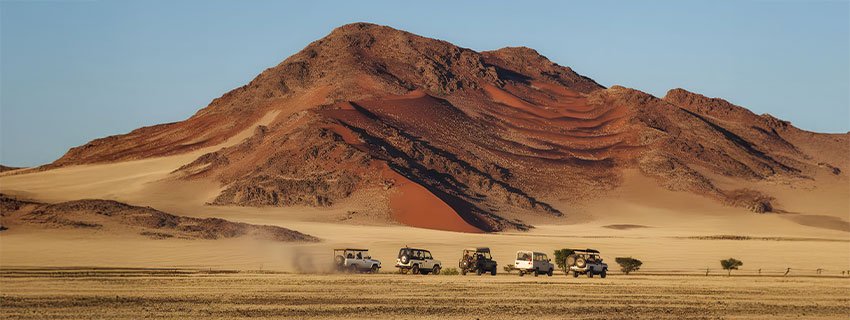
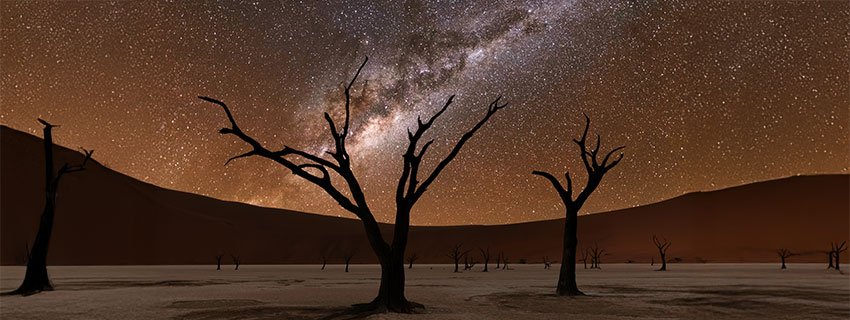
  • Sossusvlei & the Namib Desert: Home to the world’s oldest desert, Sossusvlei is famed for its colossal red sand dunes. Dune 45, Big Daddy and Big Mama are especially popular, and Big Daddy is 325m tall. Hiking to the top at sunrise is a bucket-list experience. The surreal pans of Deadvlei, with its skeleton acacia trees, lie nearby. This stark landscape is also ideal for stargazing, and the lack of light pollution means the Milky Way shines vividly overhead.
  • Etosha National Park: Namibia’s premier wildlife reserve, Etosha offers some of the best game viewing in Africa. You can drive yourself or join game drives around Etosha’s vast pan and waterholes. Lions, giraffes, kudu, springbok and even endangered black rhinos roam here. Don’t miss a sundowner by the famous Okaukuejo waterhole at dusk.
  • Skeleton Coast: Named so for the eerie shipwrecks and whale bones along its foggy shore, the Skeleton Coast is a windswept highlight. A single coastal road runs along endless sand and ocean. You’ll find abandoned ships, sea lion rookeries (e.g. Cape Cross), and stark beauty. 4×4 tours from Swakopmund often include trips to Sandwich Harbour here, where desert dunes plunge into the Atlantic.
  • Swakopmund: This lively Atlantic coastal town offers adventure and culture. Thanks to its German colonial heritage and seaside charm, “Swakopmund is where Namibia truly shines”. Stroll its quaint promenade, enjoy fresh seafood, or visit the National Marine Aquarium. Thrill-seekers love sandboarding and quad-biking on the nearby dunes. Swakopmund also serves as a gateway to Walvis Bay (flamingo lagoons) and Sandwich Harbour dune cruises.
  • Damaraland: In the rugged northwest, Damaraland’s desert landscapes harbour surprises. It’s the realm of the desert-adapted elephant and rare black rhino. Hidden valleys like Twyfelfontein feature UNESCO rock engravings. Visitors can also enjoy sundowners atop rocky kopjes and visit petrified forests. Its stark beauty and wildlife make Damaraland a memorable stop.
  • Windhoek: Namibia’s cosmopolitan capital is a convenient stop for cultural sights. Windhoek’s city centre features the iconic Christuskirche church and the Independence Memorial. You can shop for crafts at the Namibia Craft Centre or sample local brews. While relatively small, Windhoek provides a glimpse into modern Namibian life and is often the start/end point of tours.

Each of these destinations offers distinct scenery and activities, from Sossusvlei’s rolling dunes to the wildlife-packed plains of Etosha. Many travellers use a Namibia customised tour package to efficiently cover all these highlights, ensuring nothing is missed.
Best Things to Do in Namibia

Namibia is a playground for adventure and wildlife lovers. Here are some of the best things to do in Namibia – activities that make this country truly unforgettable.

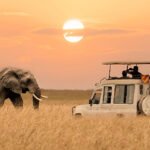
  • Go on a Game Drive: No trip is complete without a safari! Etosha National Park and private reserves offer self-drive or guided game drives. You’ll scan waterholes for elephants, giraffes, zebras and even big cats. People praise Etosha as “the best place to see wildlife in Namibia,” with over 340 bird species and “four of the African Big 5”. Early morning and late afternoon drives are ideal. National park lodges and Namibia customised tour packages often include daily game drives with experienced guides.
  • Stargazing in the Desert: Namibia’s desert skies are legendary. In places like Sossusvlei, the remote setting means minimal light pollution. At night, the sky explodes with stars, planets and the Milky Way. Star-gazing tours are popular here. On a clear night, you can easily see shooting stars and satellites. Many lodges host astronomy nights – a truly magical Namibian experience.
  • Sandboarding & Dune Fun: The towering dunes of the Namib offer thrilling sports. At Swakopmund or Sossusvlei, adventure seekers can sandboard down slopes for an adrenaline rush. Beginners start belly-down before attempting the full standing board. Quad biking on sand dunes is another popular option. If you prefer water, Walvis Bay (near Swakopmund) has kayaking and boat cruises to see flamingos and sea lions.
  • Hot Air Balloon Ride: For a bird’s-eye view, soar over the desert in a hot air balloon. Flights at dawn over Sossusvlei offer panoramic vistas of orange dunes and vast plains. Drifting above the Namib at sunrise, followed by a champagne breakfast, is an unforgettable adventure. Photographers especially love this as it’s a serene way to appreciate Namibia’s landscapes from above. Many tour operators include a morning balloon excursion in luxury packages.
  • Cultural Experiences: Namibia has rich indigenous cultures. Consider visiting a Himba village in the Kunene region to learn about traditional Himba life. In Windhoek, visit the Namibia Craft Centre for handcrafted goods and the Independence Memorial Museum to learn about Namibian history. Attending a local festival or enjoying Afro-fusion cuisine are also fun ways to connect with Namibian culture.
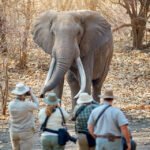
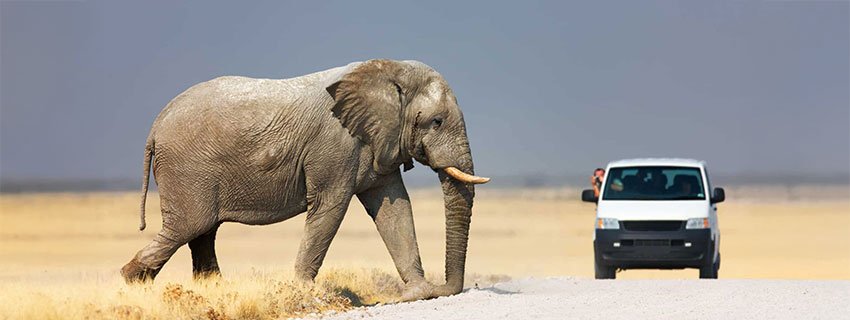
  • Wildlife of Damaraland: Beyond Etosha, Damaraland is one of the few places to spot the rare desert elephants. These giants roam the dry plains in search of water, a sight unlike any other. Wildlife guides emphasise that “yes, there are elephants in the deserts of Namibia,” which are adapted to survive in arid conditions. Joining a guided Damaraland safari or lodge excursion (often part of custom tour packages) lets you see elephant herds, giraffes, and even desert lions.

Each of the above activities can be arranged individually or packaged into a Namibia customised tour. For example, Adventures Overland offers tailored itineraries that combine these top experiences: game drives, dune hikes, cultural visits and more – so you can hit all the highlights without the hassle of planning every detail.


Frequently Asked Questions

Namibia is generally considered safer than many other African destinations. Common advice is to avoid walking alone at night (especially in Windhoek or Swakopmund), keep valuables secured, and use ATMs in well-lit areas. Always lock your car and don’t leave belongings unattended.

Yes, most visitors need a visa, but the process is straightforward. Many nationalities can obtain a visa on arrival, or apply in advance through Namibia’s online e-visa portal. Note: As of April 1, 2025, U.S. citizens must obtain a visa before travel, while other nationalities can still purchase tourist visas on arrival at Windhoek, Walvis Bay, or major border crossings.

Travel costs vary by style. Namibia is moderately priced – cheaper than neighbouring South Africa but not as cheap as backpacking hotspots. For an exact quote, consider a Namibia customised tour package with Adventures Overland, which can outline costs for your specific itinerary.

Namibia is huge and sparsely populated. The most popular ways to travel are by self-driving 4×4 or by organised tour. Major attractions are connected by well-maintained tar roads, but many side trips (to dunes, canyons, desert) require gravel roads or 4WD. Fuel stations can be far apart, so fill up whenever possible.

Pack clothing for a desert climate. Essentials: sun protection (wide-brimmed hat, sunglasses, high-SPF sunscreen) and plenty of water bottles. Lightweight, neutral-colored layers are ideal: days can be hot, but mornings/evenings (especially in desert camps) can be surprisingly cool. A warm fleece or jacket is recommended for winter nights. Comfortable closed-toe shoes are a must for hiking or game drives (and sandals or Chacos for walking in the dunes).

Namibia’s diversity—from desert to coast, wildlife to culture—makes it a rewarding destination for first-timers and seasoned travellers alike. Whether you roam independently or choose a Namibia customised tour package, you’ll find that every turn offers new wonders. Let the adventure begin!
Tailormade