
Australia’s vast landscape means every trip can be tailored. From iconic cities to wild outback and pristine beaches, a customised Australia tour lets you see the best places to visit in Australia at your own pace. By planning a personalised itinerary, you can hit all the highlights and secret gems that fit your interests, whether it’s wildlife, adventure, culture or relaxation. Below, we break down top destinations by region, with things to do and the best time to visit for each.
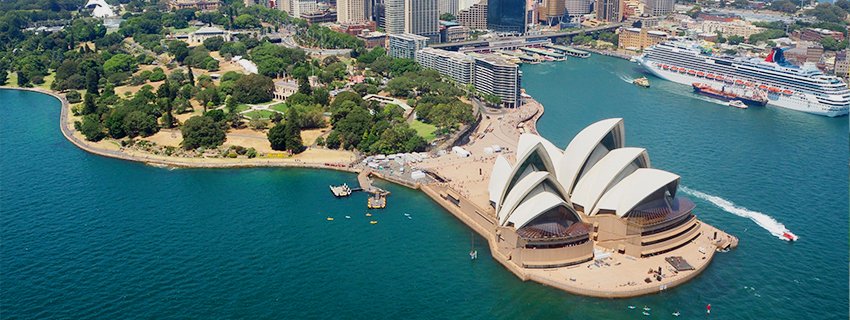
Sydney’s shining star is the Sydney Opera House, the white-sailed icon that’s “one of the world’s most photographed” attractions. In the city, explore the historic Rocks district, climb the Sydney Harbour Bridge, sunbathe at Bondi or Manly Beach, and enjoy harborside dining. Don’t miss a ferry ride on the Harbour or a visit to Taronga Zoo for native wildlife. Just outside the city, the Blue Mountains (Katoomba) offer stunning bushwalks and the famous Three Sisters rock formation. North of Sydney, visit coastal Byron Bay (surfing and a laid-back vibe) or the wineries of Hunter Valley.
Best time to visit: Spring and fall (September–November, March–May) bring mild weather and fewer crowds. Sydney’s summers (Dec–Feb) are beach-perfect but can be hot and busy; winters are mild by global standards.
For beach and outdoor activities, aim for September through April. Spring and autumn have warm days and cooler nights, ideal for sightseeing and hiking. Summer (Dec–Feb) is hot but is great for beaches, and pack sunscreen (and check fire alerts).
Winter (June–Aug) is generally mild with temperatures around 10–18°C in Sydney, but it can be rainy. The shoulder seasons also coincide with festivals like Sydney Vivid, Byron Bluesfest, and if you want lively events.
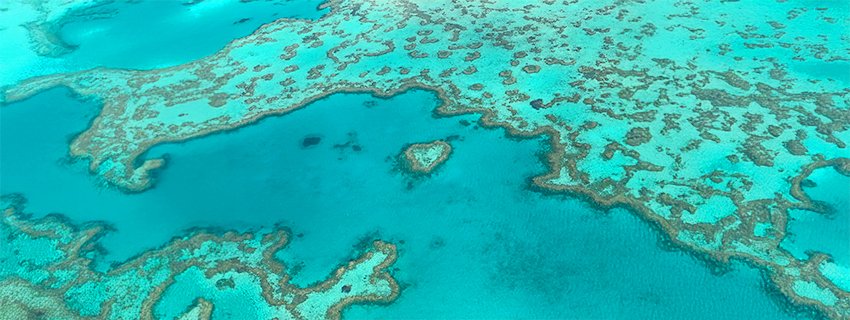
From the tropical north to the sunny south, Queensland offers reef dives, rainforests and golden beaches.
Cairns & Great Barrier Reef: Cairns is the gateway to the Great Barrier Reef, “the largest coral reef in the entire world”. Spend days snorkelling or diving among vivid corals and fish. Also explore the nearby Daintree Rainforest, the world’s oldest rainforest, alive with cassowaries and crocodiles.
Whitsunday Islands: From Airlie Beach, take a sailing trip to the Whitsundays. Whitehaven Beach’s powdery white sand is world-famous.
Gold Coast & Brisbane: South of Cairns, visit Queensland’s urban and beach hubs. The Gold Coast, near Brisbane, is known for surf beaches (Surfers Paradise), theme parks, and 300+ days of sunshine. Brisbane City has riverfront parks, cafes and galleries. Further south, Noosa and the Sunshine Coast’s laid-back towns like Byron Bay, just over the NSW border, are great stops.
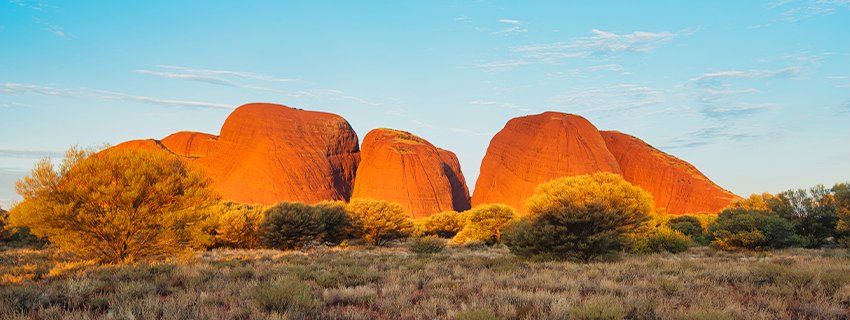
The NT showcases Australia’s rugged heart and Aboriginal culture.
Uluru & Red Centre: Ayers Rock in Uluru and nearby Kata Tjuta, the Olgas are the spiritual landmarks of the outback. Walk around Uluru’s base to see ancient rock art and waterholes. Experience sunset or sunrise at Uluru as the colours glow dramatically. Visit the Uluru-Kata Tjuta Cultural Centre to learn about Aboriginal Anangu culture. Nearby Kings Canyon offers spectacular rim walks.
Kakadu & Arnhem Land: In the Top End, Kakadu National Park’s wetlands, gorges and Aboriginal rock art are must-sees. Take a Yellow Water cruise to see saltwater crocodiles. Kakadu’s twin waterfalls, Jim Jim, Twin Falls, are stunning in the dry season. East of Kakadu, Arnhem Land (permit required) features the Arnhem Plateau escarpments and Indigenous communities.
Darwin: The tropical capital features vibrant markets and Asian-influenced cuisine. Travellers can also try the night markets and Mindil Beach sunsets of the area.
Victoria’s capital, Melbourne, is Australia’s cultural hub. Wander its famed laneways of street art and cafes. Take an afternoon to explore the National Gallery of Victoria – “Australia’s oldest and most popular art museum”. Sports fans can catch an AFL game or a Grand Prix. Just outside Melbourne, drive the Great Ocean Road – a 243 km coastal route. Highlights include the Twelve Apostles limestone stacks, viewed best at sunrise or sunset, Loch Ard Gorge, and rainforest walks in Otway National Park. The scenic route is perfect for a multi-day road trip, with surf towns like Lorne and Apollo Bay. In the northeast, the high country around Mount Buller is popular for winter skiing.
Southern Australia has four seasons. Summer (Nov–Mar) is warm (around 25–35°C) and perfect for beaches and camping, but it’s also the peak holiday season. Spring, ranging from September to November, and autumn, from March to May, have mild, pleasant weather and fewer tourists, making them ideal for sightseeing and road trips. Winter (Jun–Aug) is chilly (especially inland) – great for ski or cosy city stays by the Yarra River.
Note: summer can bring bushfire smoke alerts; always check the local forecast if planning bush walks.
WA’s attractions span from beaches to outback gorges.
Perth & Rottnest: Perth’s Kings Park offers city views over the Swan River, and was voted “Australia’s very best tourist attraction”. Perth’s beaches, like Cottesloe, are perfect for sunsets. Nearby, Rottnest Island, accessible by ferry, is known for super-friendly quokkas, where you can take a bike ride around pristine bays and beaches.
Margaret River: South of Perth, this is a premier wine region. Visit wineries, explore underground caves such as Lake Cave and Mammoth Cave, and surf at iconic beaches.
Broome & Kimberley: In the far north, Broome’s Cable Beach with its camels at sunset is legendary. From Broome, you can take a cruise into the dramatic Horizontal Falls or continue on a big road trip north to the Bungle Bungle Range and Purnululu NP.
Tasmania’s cool climate and wild scenery reward those who venture south.
Hobart: Tasmania’s capital is cosy and historic. Visit the Museum of Old and New Art (MONA) – a provocative contemporary art museum on the waterfront. Climb Mt Wellington for views over the city. The historic town of Richmond and its bridge are a short drive away.
East Coast: Freycinet National Park’s Wineglass Bay is one of the world’s most photographed beaches. Nearby, the Bay of Fires (Azures), with orange-lichen granite boulders, was named Australia’s best beach.
North & West: Cradle Mountain-Lake St Clair NP offers rainforest and alpine hikes (spot wombats). Launceston’s Cataract Gorge is a lush river reserve. On Bruny Island (off Hobart), sample local oysters and cheese and walk coastal trails.
Summers from December to March are the warmest (15–25°C), perfect for hiking and beaches, and have long daylight hours. Spring in Oct–Nov and Autumn (Feb–Mar) are mild, with fewer bugs and beautiful foliage. Winter (Jun–Aug) is cold (often snow in the mountains) but quieter. Because Tasmania is cooler than mainland Australia, pack layers year-round.
The best time to visit Sydney and NSW is during spring (September–November) and autumn (March–May) when the weather is mild and crowds are smaller. Summer (December–February) is ideal for beaches but can be hot and busy. Winter is generally mild, making it suitable for sightseeing, coastal walks, and visiting the Blue Mountains.
For Far North Queensland, including Cairns and the Whitsundays, the dry season (June–October) offers clear skies and excellent reef visibility. Southern Queensland, including Brisbane and the Gold Coast, is pleasant year-round, but autumn and spring provide the most comfortable temperatures with lower humidity and fewer storms.
Uluru is a sacred sandstone monolith in Australia’s Red Centre and a UNESCO-listed cultural site. Visitors can walk around its base, view ancient Aboriginal rock art, and experience breathtaking sunrise and sunset colour changes. Nearby Kata Tjuta and Kings Canyon add dramatic desert scenery, making it a profound cultural and natural highlight of Australia.
The Great Ocean Road is one of Australia’s most scenic coastal drives, stretching 243 km along Victoria’s southern coast. Highlights include the Twelve Apostles limestone stacks, Loch Ard Gorge, rainforest walks in Otway National Park, and charming seaside towns like Lorne and Apollo Bay, making it ideal for a multi-day road trip.
Western Australia offers diverse landscapes ranging from Perth’s beaches and Rottnest Island’s quokkas to Margaret River’s wineries and the dramatic Kimberley region. Visitors can explore Cable Beach in Broome, cruise to the Horizontal Falls, or discover remote national parks, making it perfect for both coastal relaxation and rugged outback adventure.
Yes, Australia is ideal for road trips, offering iconic routes like the Great Ocean Road, Perth to Margaret River, and Cairns to the Daintree. Wide-open highways, coastal scenery, and well-maintained roads make self-drive travel rewarding. Planning fuel stops and seasonal conditions is important, especially in remote outback regions.
A minimum of 10–14 days allows travellers to explore key highlights such as Sydney, the Great Barrier Reef, and Melbourne. However, 2–3 weeks is ideal for a comprehensive experience including Uluru, Tasmania, or Western Australia. A customised itinerary helps balance travel time with immersive local experiences.
AO Experiences offers expertly curated, tailor-made Australia journeys designed for comfort, flexibility, and exclusivity. From personalised itineraries covering Sydney, the Great Barrier Reef, Uluru, and beyond to handpicked boutique stays and seamless logistics, every detail is professionally managed. With premium self-drive options, small group experiences, and dedicated on-ground support, AO ensures a stress-free, immersive adventure that lets you explore Australia at your own pace with confidence.