Australia delivers endless sunshine, beautiful beaches, dramatic deserts and ancient cultures, making it an unforgettable destination. Whether you’re dreaming of the Sydney Opera House skyline or the wild Outback, this ultimate Australia travel guide will cover the biggest attractions and tips for first-time visitors. From laid-back beaches to outback adventures, Australia’s mix of modern cities like Sydney, Melbourne and natural wonders such as the Great Barrier Reef, Uluru, and the Tasmanian wilderness means there’s something for every traveller.
We’ll also share essential travel tips and highlight the must-sees.
Before you pack, here are key travel tips and practical advice for your trip:
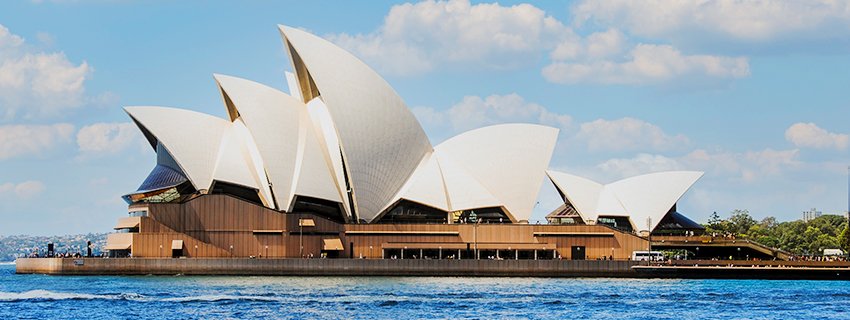
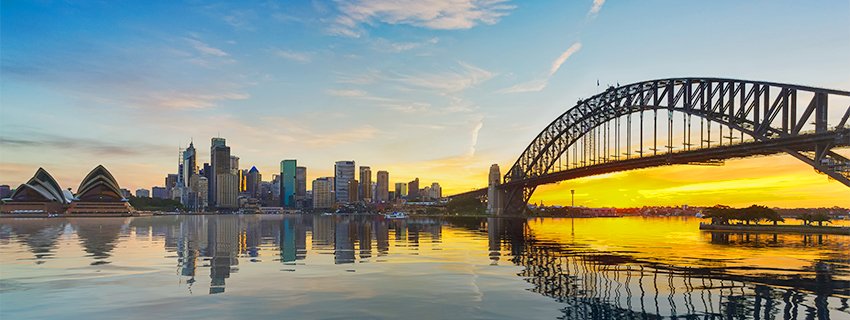
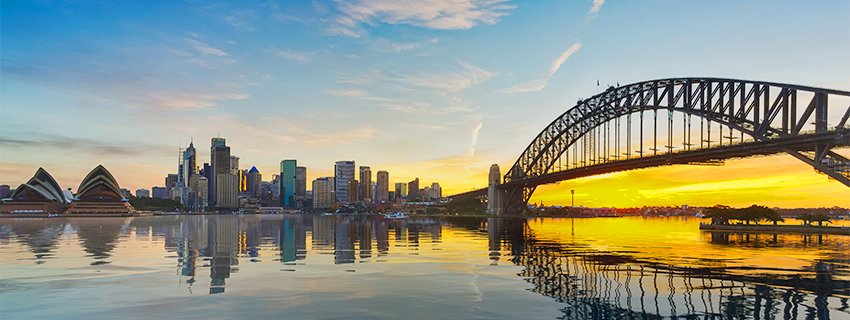
Australia’s most famous city, Sydney, is where most international flights land and a great kickoff point. Its skyline is dominated by the iconic Opera House, inaugurated in 1973 and described as “a great architectural work of the 20th century”. Climb the Sydney Harbour Bridge for panoramic views, stroll the historic district or relax at Bondi and Manly beaches. Don’t miss the Royal Botanic Garden and Taronga Zoo (koalas and kangaroos!) for unique experiences.
North of Sydney, the stunning Blue Mountains wilderness is a day trip away. To the south, the laid-back coast leads to Canberra (the capital) and continues toward wine regions. Take your time, Sydney offers a cosmopolitan mix of dining, nightlife and harbour sights, easing you into Australian culture.
Australia’s Great Barrier Reef is the world’s largest coral reef system, stretching over 2,300 km and home to 400 species of coral and 1,500 species of fish. Sail from Cairns or Port Douglas to snorkel or dive among vibrant coral gardens and tropical fish. For optimal conditions, plan your visit during the dry season (May–October) to avoid tropical storms and dangerous stingers.
Around the reef lies lush north Queensland: explore the Daintree Rainforest (the world’s oldest tropical rainforest), cruise the Daintree River to spot saltwater crocodiles, and discover the picturesque Whitsunday Islands (with world-famous Whitehaven Beach). Just south, the Gold Coast (near Brisbane) combines golden surf beaches like Surfers Paradise with theme parks – a fun stop if time allows. Beach lovers and snorkelling fans will find Paradise on the reef and coast, while nature buffs will adore the rainforest and underwater world.
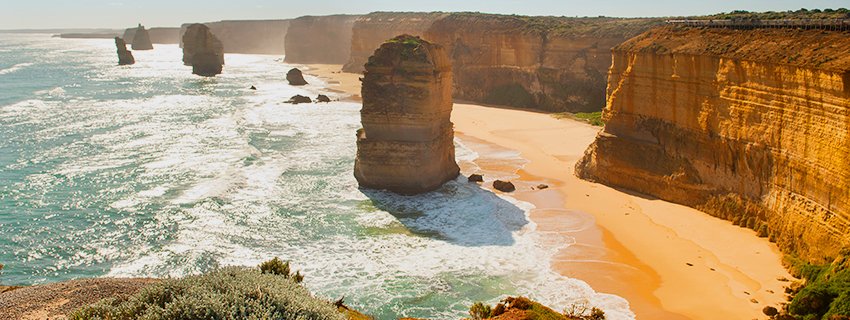
Australia’s cultural hub, Melbourne, deserves at least a couple of days. Known for its café culture, street art, and sports (AFL football and the Grand Prix), the city also has a stunning shoreline. From Melbourne, drive the Great Ocean Road, one of the world’s most scenic coastal routes. You’ll wind past rainforests and seaside towns to the limestone stacks of the Twelve Apostles, “the most iconic feature of the Great Ocean Road”. Sunsets here are magical.
Victoria’s other highlights include the Grampians mountains, known for hiking, waterfalls, Phillip Island (famous for the nightly penguin parade), and vineyards in regions like the Yarra Valley. Melbourne and its surrounds offer an urban-meets-wild blend, from laneway bars to surfside villages. Add “road trip along the southern coast” to your Australia travel bucket list for an adventure filled with beach vistas, wildlife and coastal charm.
In Australia’s arid heart lies Uluru–Kata Tjuta National Park, often called the Red Centre. Dominating the desert landscape is Uluru (Ayers Rock) – a 348m-tall sandstone monolith and the largest of its kind in the world. Nearby are the 36 domes of Kata Tjuta (the Olgas). Both are sacred to the local Anangu people. Experience them at sunrise or sunset when the rock glows red, and walk the base trail around Uluru to discover ancient rock art and waterholes.
Quick Note: Climbing Uluru is now prohibited out of respect for Aboriginal culture.
Uluru-Kata Tjuta is a UNESCO World Heritage site with deep spiritual importance. Learn about Aboriginal history at the cultural centre. When planning, note that the Outback can get very hot in summer, so autumn/winter (Apr–Sep) is ideal. The nearby town of Yulara offers accommodations, and flights connect via Ayers Rock or Alice Springs airports. This overland journey into the Outback, on sealed roads or 4WD tracks, is truly epic.
Just north, the Northern Territory offers more adventure. In Kakadu National Park, you can see ancient rock art, crocodile-filled rivers, and stunning waterfalls (accessible in the dry season). The lesser-travelled Kakadu and Arnhem Land regions give a glimpse of Australia’s Aboriginal soul. For a different vibe, visit Darwin (tropical capital with markets and WWII history) and, if time permits, cruise the remote Kimberley or Flinders Ranges farther west.
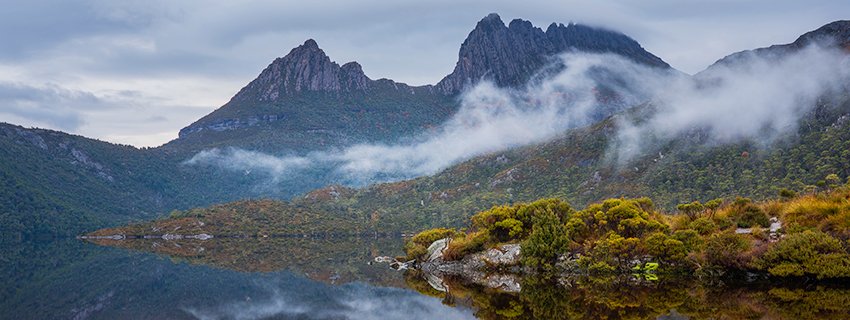
Australia is vast: if your itinerary allows, consider the less-travelled gems. Tasmania, an island south of the mainland, offers wilderness walks such as Cradle Mountain and Freycinet, wildlife (Tasmanian devils and wallabies), and the historic city of Hobart (famous for its MONA museum). In Western Australia, Perth and Fremantle offer beaches and city life, while the coral reefs of Ningaloo and the dramatic gorges of the Kimberley are true Overland (4WD) outback adventures. South Australia’s Kangaroo Island is another wildlife haven (sea lions, penguins, and koalas).
No matter where you go, Australia’s diversity will keep you enchanted. From iconic Sydney and the Opera House to ancient Outback monoliths and coral kingdoms, this guide should help you plan an ultimate Australia travel adventure. Embrace the friendly Aussie spirit, pack for varied climates, and get ready for the journey of a lifetime Down Under!
The best time to visit Australia depends on the region. For the Great Barrier Reef and tropical north, May to October (dry season) offers the best weather. Southern cities like Sydney and Melbourne are ideal in spring (Sep–Nov) and autumn (Mar–May). Australia’s seasons are opposite to the Northern Hemisphere.
Most international visitors need an eVisa or Electronic Travel Authority (ETA) before entering Australia. It is recommended to apply in advance and check your country-specific requirements. Travel insurance is highly advised.
Yes, Australia is considered very safe for travellers. While the country is known for unique wildlife, dangerous encounters are rare. Follow warning signs, swim at patrolled beaches, and avoid approaching wild animals.
First-time visitors should explore Sydney and the Opera House, the Great Barrier Reef, Uluru in the Red Centre, the Great Ocean Road, and tropical North Queensland. Each offers a mix of iconic landmarks and natural beauty.
Yes, Australia is one of the world’s best destinations for self-drive adventures. Popular routes include the Great Ocean Road, Cairns to Cape York, and Darwin to Adelaide via Alice Springs. Distances are vast, so plan fuel and stops carefully.
Australia uses the Australian Dollar (AUD). Credit and debit cards are widely accepted across cities and tourist areas. Tipping is not mandatory but appreciated for excellent service.
Pack lightweight clothing, reef-safe sunscreen (SPF 50+), sunglasses, a hat, and comfortable walking shoes. For tropical areas, include swimwear and insect repellent. If visiting the Outback, carry extra water and sun protection.
AO Experiences offers a premium, fully curated self-drive journey across Australia designed for comfort, exclusivity, and seamless execution. From boutique handpicked hotels and carefully planned scenic routes to on-ground support and small group experiences, every detail is professionally managed. Whether exploring Sydney, the Great Barrier Reef, the Great Ocean Road, or Uluru, AO ensures a stress-free luxury adventure so you can focus entirely on the journey.