Tanzania is one of Africa’s most diverse and awe-inspiring destinations, where dramatic wildlife encounters, untouched coastlines, and deep-rooted cultures come together in one unforgettable journey. From legendary safari parks to turquoise island escapes, the Places to visit Tanzania go far beyond the typical bucket list. Whether you dream of tracking the Great Migration, exploring volcanic craters, or unwinding on powder-white beaches, Tanzania delivers experiences that feel raw, real, and timeless.
This guide explores Tanzania’s most iconic attractions along with lesser-known gems, helping you understand where to go, what to experience, and how to plan a journey that truly captures the spirit of East Africa.
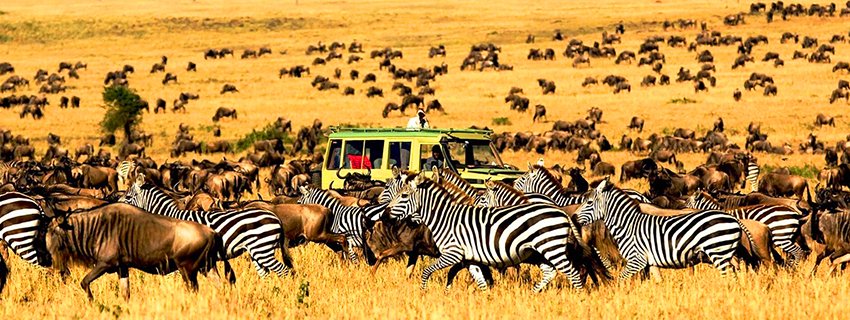
No list of Tanzania’s highlights is complete without the Serengeti National Park. Spanning endless savannahs and dotted with acacia trees, the Serengeti is synonymous with classic African wildlife imagery. It is best known for the Great Migration, where millions of wildebeest and zebras move in search of fresh grazing, creating one of the world’s most dramatic natural spectacles.
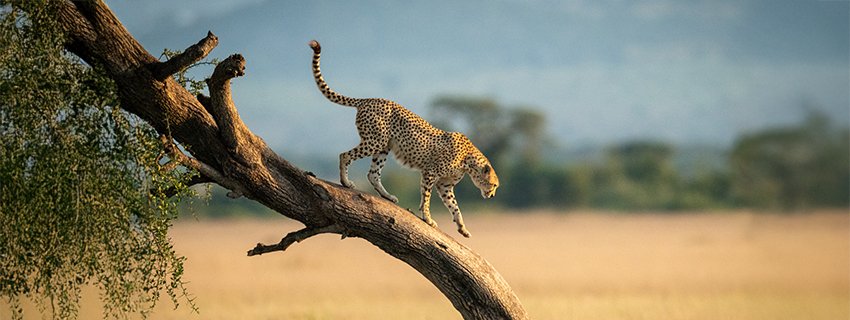
Beyond migration season, the Serengeti offers year-round game viewing with lions, leopards, cheetahs, elephants, and giraffes roaming freely. Sunrise game drives, hot-air balloon safaris, and immersive stays inside the park make this destination a cornerstone of any safari-focused itinerary.
The Ngorongoro Crater is a UNESCO World Heritage Site and one of Africa’s most unique ecosystems. Formed from a collapsed volcanic caldera, the crater floor hosts an extraordinary concentration of wildlife, including the endangered black rhino, large lion prides, flamingos, and vast herds of buffalo.
What makes Ngorongoro exceptional is the combination of breathtaking landscapes and reliable wildlife sightings within a compact area. Descending into the crater feels like entering a self-contained world where nature has remained unchanged for centuries.
Lake Manyara National Park offers a striking contrast to Tanzania’s open plains. Nestled between the Great Rift Valley escarpment and a shimmering alkaline lake, this park is known for its lush groundwater forests, flamingo-lined shores, and rare tree-climbing lions.
Its diverse habitats make it a photographer’s paradise and a rewarding stop on northern safari routes. Game drives here are relaxed yet rich, often revealing elephants wandering through forests and hippos cooling off in the lake.
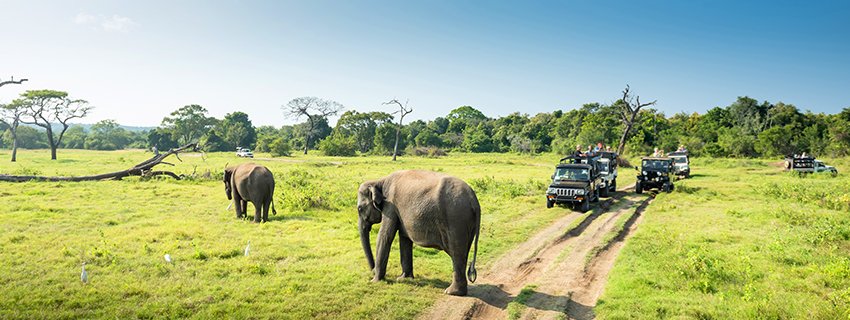
Often underrated, Tarangire National Park comes alive during the dry season when massive elephant herds gather along the Tarangire River. The park’s ancient baobab trees create a dramatic backdrop for wildlife encounters, giving it a distinct character compared to other safari destinations.
Tarangire is ideal for travellers seeking quieter game drives with fewer vehicles, while still enjoying excellent sightings of lions, giraffes, zebras, and birdlife.
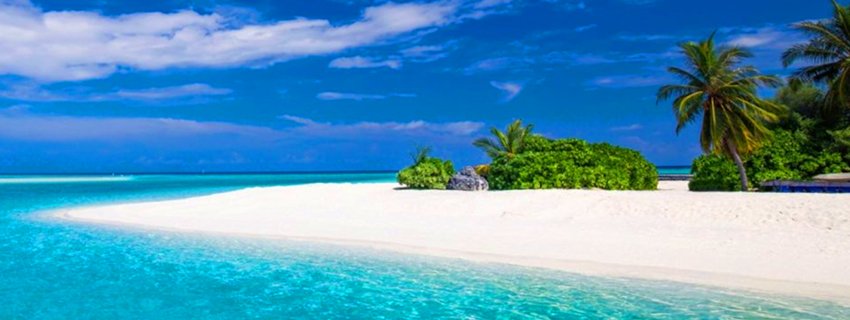
After days spent on dusty safari tracks, Zanzibar offers the perfect coastal escape. Located off Tanzania’s eastern coast, this tropical island is famous for its white-sand beaches, turquoise waters, and Swahili heritage.
Stone Town, a UNESCO World Heritage Site, reflects centuries of cultural exchange influenced by Arab, African, and European traders. Beyond history, Zanzibar is perfect for snorkelling, diving, spice tours, and slow beach days that balance adventure with relaxation.
Towering at 5,895 meters, Mount Kilimanjaro is Africa’s tallest mountain and a symbol of Tanzania’s adventurous spirit. Even for travellers who don’t plan to summit, the surrounding region offers scenic landscapes, coffee plantations, and cultural experiences with local Chagga communities.
For trekkers, climbing Kilimanjaro is a life-changing challenge, moving through multiple climate zones from rainforest to alpine desert.
One of the largest protected wildlife areas in Africa, Selous (now known as Nyerere National Park) is a remote and less commercialised safari destination. River safaris along the Rufiji River, walking safaris, and boat-based wildlife viewing set it apart from traditional game drives.
This region is ideal for travellers seeking solitude, exclusivity, and a deeper connection with untouched African wilderness.
While the northern safari circuit gets most of the attention, Tanzania’s lesser-known regions offer equally enriching experiences. Mahale Mountains National Park, located along Lake Tanganyika, is one of the best places in the world to track wild chimpanzees in their natural habitat.
Ruaha National Park, Tanzania’s largest national park, delivers dramatic landscapes and thriving predator populations with minimal tourist traffic. These destinations are perfect for seasoned travellers looking to explore beyond the mainstream.
Tanzania’s cultural richness is as compelling as its landscapes. Visiting Maasai villages near the Serengeti or Ngorongoro allows travellers to learn about traditional lifestyles, customs, and coexistence with wildlife. These interactions add depth and perspective, transforming a trip into a meaningful cultural exchange rather than just sightseeing.
From guided wildlife safaris and hot-air balloon rides to spice tours and dhow cruises, the Things to do in Tanzania are incredibly varied. Adventure seekers can combine game drives with trekking, while leisure travelers can enjoy beach retreats and cultural tours.
The flexibility to blend nature, culture, and relaxation makes Tanzania suitable for couples, families, photographers, and explorers alike.
Understanding the best time to visit Tanzania depends on what you want to experience. The dry season, typically from June to October, is ideal for wildlife viewing, especially in the Serengeti and Ngorongoro. During this period, animals gather around water sources, making sightings more predictable.
The green season, from November to May, brings fewer crowds, lush landscapes, and excellent birdwatching, along with the calving season of the Great Migration.
With such diversity, planning becomes crucial to experience the true essence of the Places to visit Tanzania. Route selection, accommodation style, and pacing all play a role in shaping your journey. Many travellers opt for Tanzania customised tour packages that combine safari circuits with coastal escapes, ensuring seamless logistics and personalised experiences.
A well-designed itinerary allows you to balance game drives, cultural visits, and downtime without feeling rushed.
While safaris are the main draw, the Things to do in Tanzania extend far beyond wildlife. Snorkelling in Zanzibar, coffee tours near Kilimanjaro, and lake-side retreats offer alternative experiences that enrich your trip.
These activities provide a different lens through which to experience Tanzania’s natural and cultural diversity.
If your goal is migration viewing, aligning travel dates with river crossings is essential. For beach lovers, Zanzibar remains pleasant year-round, making the best time to visit Tanzania flexible depending on your priorities.
Strategic planning ensures you experience Tanzania at its best, no matter the season.
Given the country’s size and variety, Tanzania customised tour packages offer convenience, comfort, and curated experiences. They allow travellers to combine iconic parks like Serengeti and Ngorongoro with lesser-known gems and beach extensions, all while maintaining flexibility and exclusivity.)
From legendary safaris and volcanic craters to island beaches and hidden wilderness, the Places to visit Tanzania offer something rare — authenticity. Every region tells a different story, shaped by wildlife, landscapes, and cultures that have thrived for generations. A thoughtfully planned journey through Tanzania is more than a holiday; it’s an encounter with Africa in its most potent and poetic form.
AO Experiences designs journeys the way Tanzania deserves to be explored—unhurried, immersive, and intelligently curated. Instead of fixed templates, each route is shaped around wildlife movement, landscape transitions, and guest preferences. With on-ground expertise, handpicked lodges, and smooth end-to-end execution, AO Experiences delivers depth, not just destinations. Their Tanzania customised tour package focuses on authentic safari moments, seamless pacing, and refined comfort—ideal for travellers who value substance, precision, and a truly elevated African experience.
Tanzania is famous for its world-class safaris, the Great Migration in Serengeti National Park, Mount Kilimanjaro, Ngorongoro Crater, and pristine beaches in Zanzibar.
The Big Five in Tanzania are the lion, leopard, elephant, rhinoceros, and buffalo, commonly spotted in Serengeti, Ngorongoro Crater, and Tarangire National Park.
Tanzania is considered safe for safaris when travelling with licensed operators, staying in reputable lodges, and following local guidelines and park regulations.
Most tourists visit Tanzania for unforgettable wildlife safaris, the Great Migration, cultural experiences with the Maasai, and relaxing beach holidays in Zanzibar.
Most international travellers require a visa to enter Tanzania, which can be obtained online through an eVisa or on arrival, depending on nationality.
Yes, Tanzania is highly suited for luxury and customised travel, offering private safaris, premium lodges, and personalised itineraries across wildlife and beach destinations.